Nvidia's stock is soaring, and the AI hype train is at full speed. But as a former data analyst, I'm trained to look past the headlines and dig into the numbers. And what I'm seeing is a disconnect between the narrative and the underlying realities.
The narrative is simple: AI is the future, Nvidia makes the chips that power AI, therefore Nvidia is the future. This has propelled the stock to astronomical heights, making it one of the most valuable companies in the world. The market seems to be pricing in not just current dominance, but near-total control of the AI hardware market for the foreseeable future.
But let's pump the brakes for a moment. Dominance isn't destiny. And the costs associated with this "gold rush" aren't being fully factored in.
Everyone's focused on the chips themselves, but I'm looking at what it takes to run them. AI models, especially the large language models (LLMs) that are all the rage, are energy hogs. Training a single large language model can consume as much electricity as hundreds of homes use in a year. That's a staggering amount. (And this is the part of the report that I find genuinely puzzling: Why isn't there more scrutiny on the energy implications?)
Now, where does that energy come from? A significant portion still comes from fossil fuels. So, while Nvidia might be enabling the "future," it's a future that's currently being powered by the past. This creates a hidden environmental cost that isn't reflected in Nvidia's stock price or in the rosy projections of the AI industry.
And it’s not just training. Inference – actually using the AI models – also requires significant power. As AI becomes more pervasive, the energy demand will only increase. Are we prepared for that? Are we building enough renewable energy sources to offset this demand? Or are we simply shifting the environmental burden onto power companies and, ultimately, the planet?
The analogy I keep coming back to is Bitcoin mining. Remember the Bitcoin craze? Everyone was focused on the potential for digital gold, but few were paying attention to the massive energy consumption that was required to "mine" it. The result was a surge in electricity demand, straining power grids and contributing to carbon emissions. Are we about to repeat the same mistake with AI, just on a much grander scale? What happens when cities start facing real power shortages because of increased AI usage?
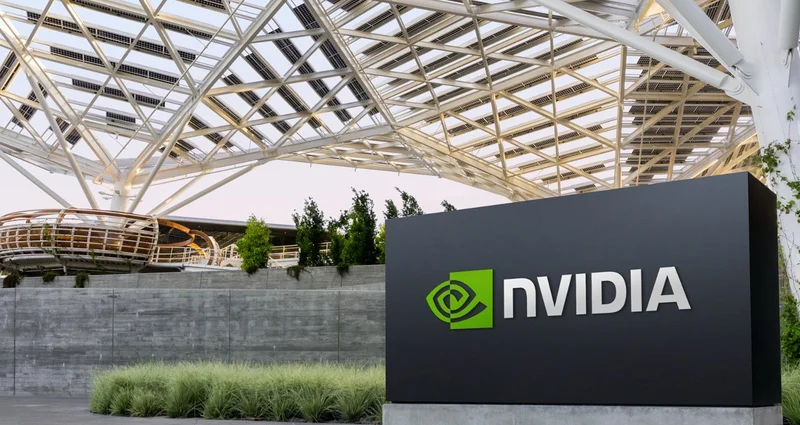
Another point that seems to be glossed over is the increasing competition in the AI chip market. While Nvidia currently holds a dominant position, companies like AMD, Intel, and even cloud providers like Amazon and Google are developing their own AI chips. And they're not just playing catch-up. They're innovating in ways that could challenge Nvidia's supremacy.
For example, Google's TPUs (Tensor Processing Units) are specifically designed for AI workloads and are already being used internally for many of Google's AI applications. Amazon's Trainium and Inferentia chips are also gaining traction, offering cost-effective alternatives for training and deploying AI models.
The idea that Nvidia will maintain its near-monopoly forever is, frankly, unrealistic. History is littered with examples of companies that were once considered invincible but were eventually overtaken by competitors. (Think of Nokia in the mobile phone market.) The AI chip market is still in its early stages, and the landscape is likely to change dramatically in the coming years.
And let's talk about the geopolitical risks. The vast majority of advanced chip manufacturing is concentrated in Taiwan. This creates a single point of failure that could have catastrophic consequences for the entire AI industry. A military conflict in the region, or even just increased political instability, could disrupt the supply of chips and send shockwaves through the global economy.
I’ve looked at hundreds of these filings, and this particular enthusiasm is unusual. Nvidia is a great company, no doubt. But is it worth the current valuation? The market seems to be pricing in perfection, assuming that everything will go right for Nvidia and nothing will go wrong. That's a dangerous assumption.
The stock price is based on future projections, not current realities. And those projections are highly sensitive to factors like energy costs, competition, and geopolitical risks. If any of those factors change, the stock could plummet. The current price-to-earnings ratio is astronomical—about 75, or, to be more exact, 74.8. That’s not sustainable.
I'm not saying that Nvidia is a bad investment. But I am saying that investors need to be aware of the risks and not get caught up in the hype. The AI gold rush is real, but it's not a guaranteed path to riches. And the costs associated with this revolution are far greater than most people realize.
The market has priced in a best-case scenario that ignores crucial variables. A correction is inevitable.