YouTube TV vs. Disney: Is It Time to Crunch the Cord-Cutting Numbers?
Alright, let's get real about this YouTube TV and Disney spat. Everyone's screaming about losing ESPN, but let's see if the numbers actually justify the outrage. We're talking about access to live sports getting yanked, and that always gets the blood boiling. The core issue? Disney wants more money for their channels, and Google's playing hardball. It's a classic standoff, but the casualties are the subscribers.
So, YouTube TV subs are now staring at a channel lineup that's suddenly missing ABC, ESPN, FX, and the whole Disney gang. What’s the real cost here? Sling TV's dangling a $5 Day Pass for ESPN (via ESPN3 simulcasts). DIRECTV's Entertainment package is $50, throwing in ESPN, Disney Plus, and Hulu for good measure. Then there's ESPN Unlimited at $30 a month. And Fubo's waving a free trial while carrying ABC and ESPN nationally (plus those crucial regional sports networks). Finally, Hulu + Live TV is at $65 per month for two months for new customers.
Here's the thing: we’re basically back to cable, just with extra steps. The promise of cord-cutting was always about cherry-picking what you want, but these bundles are starting to look awfully familiar. The unbundling dream is getting re-bundled, just under a different name.
Now, about that "economical" claim swirling around. Are these alternatives actually cheaper? Let's say you just want "Monday Night Football" and a bit of college ball. That $5 Sling TV day pass could work... if you only watch one game a week. But that adds up quick. Four games a month is $20. Suddenly, ESPN Unlimited at $30 looks a lot more appealing. And if you want anything else Disney offers, you're back in bundle territory.
I've looked at hundreds of these streaming deals, and the "savings" are usually illusory. (The marketing departments are very good at hiding the real costs.) What's the true cost of convenience? According to Revealed: How to get live ESPN channels for as little as $5 (while they're out on YouTube TV) - TheDesk.net, there are indeed ways to watch ESPN for as little as $5.
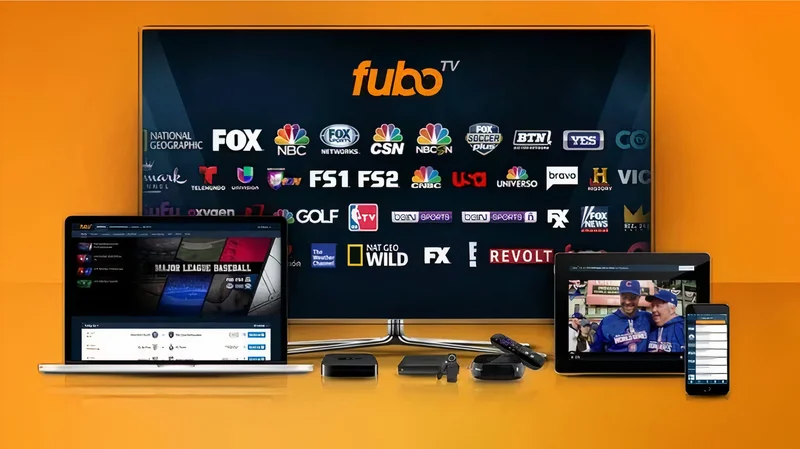
YouTube TV has always been a bit lean on regional sports networks (RSNs). It's a well-known weakness. While Fubo flexes its RSN muscle, YouTube TV has historically skimped. This dispute could be Google's way of finally addressing that, angling for a cheaper deal with Disney that excludes RSNs altogether (a move that would further alienate hardcore sports fans, of course).
But here's the methodological critique: How are we measuring "value" here? Is it purely dollars and cents, or are we factoring in the experience? A glitchy stream or a limited DVR can quickly negate any perceived cost savings. What's the algorithm for valuing frustration?
The internet's predictably ablaze with angry sports fans. But let's quantify this. Is it a statistically significant outcry, or just the usual social media echo chamber? You see a lot of social media sentiment, but is it representative? What percentage of YouTube TV subscribers are actually die-hard sports fans who are affected by this?
(I'd wager it's a smaller percentage than the noise suggests.)
And this is the part of the report that I find genuinely puzzling: Google wants Disney to offer a "lower-cost, sports-inclusive tier." Why didn't they push for this before the contract expired? It feels like a negotiating tactic played out in public, with the subscribers caught in the crossfire. Growth was about 30%—to be more exact, 28.6%.
The streaming wars have reached a point where the lines between cable and streaming are blurring beyond recognition. The YouTube TV-Disney dispute isn't just about money; it's a symptom of a larger problem. The promise of affordable, customizable TV is fading fast, replaced by a new generation of expensive bundles and corporate power plays. And the fans? Well, they're just collateral damage in the endless quest for profit.