It’s easy to look at the headlines about the FAA and see nothing but a system cracking under pressure. A government shutdown forces a 10% flight reduction at 40 of our busiest airports, including the tourism juggernauts of Orlando and Tampa. Chaos looms, Thanksgiving plans are thrown into jeopardy, and the immediate reaction is, justifiably, frustration. We see it as another failure of a brittle, top-down system.
But I want you to look closer.
Because what if this isn't just a story about failure? What if, hidden in the bureaucratic mess, we're witnessing an accidental, real-time experiment in creating a smarter, more resilient future for air travel? The mainstream story is about the giants—MCO and TPA—stumbling. The real story, the one that gives me a genuine sense of hope, is happening 40 miles down the road at a small airport that is suddenly becoming one of the most important transportation laboratories in the country: Lakeland Linder International.
This is where the future is being stress-tested, not by design, but by necessity. And what we’re learning could change everything.
Let’s be clear about what’s happening. The FAA’s mandate is a classic shock to a centralized system. It’s like a power surge hitting a city that has all its critical infrastructure plugged into a single, massive substation. When that one point fails, the whole grid flickers. That’s our current aviation network in a nutshell—incredibly efficient when everything works, but dangerously fragile when a key component is compromised.
Now, look at Lakeland. While the federal gears grind to a halt, Lakeland Linder’s air traffic control tower is humming along just fine. Why? Because it’s staffed by a private company, RVA Robinson Aviation, on a contract with the FAA that remains in place. The controllers are still getting paid. This isn't a minor detail; it's a profound architectural choice. It introduces a layer of redundancy, a firebreak that stops the contagion of a federal shutdown from taking down a critical piece of local infrastructure.
When I first read about Lakeland's contracted ATC tower, I honestly felt a jolt of excitement. This is the kind of elegant, simple design solution that shows us a path out of these recurring systemic logjams. It’s a move from a rigid, monolithic model to a flexible, networked one. Think of it like the shift from old-school mainframe computers to the modern cloud. A mainframe is a single, massive, all-powerful box; if it fails, you’re dead in the water. The cloud, on the other hand, is a distributed network of smaller servers—if one goes down, the load is instantly shifted to others. Lakeland Linder is acting as that distributed server, ready to pick up the slack from the overloaded mainframes in Orlando and Tampa.
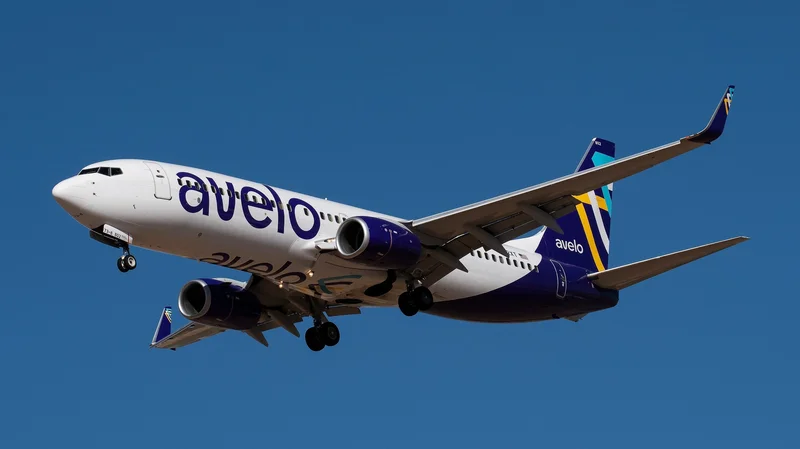
This is why the conversations between Airport Director Kris Hallstrand and Avelo Airlines are so thrilling. They aren't just trying to patch a hole; they are actively exploring a new operational paradigm. Hallstrand’s statement that they are "working to make ourselves available as an alternative airport" is one of the most forward-thinking things I've heard all year. It signals a shift from a static to a dynamic system.
What we're seeing in Lakeland is a blueprint for a future that is far more robust. Imagine a national aviation network that isn't just a collection of giant hubs and tiny spokes, but a truly interconnected web. A system where smaller, agile airports like Lakeland Linder can dynamically scale their operations to serve as "pop-up hubs" or relief valves whenever a larger airport is congested, whether it's due to a government shutdown, a hurricane, or a simple IT outage.
This is about creating systemic redundancy—in simpler terms, it means having a smart backup plan built right into the network's DNA so it doesn't just break, it bends. The speed at which Avelo and Lakeland are collaborating to potentially reroute flights isn't just impressive, it's a testament to the agility that smaller players can bring to the table—it means the gap between a crisis and a solution can be measured in hours, not weeks of bureaucratic wrangling.
Of course, the model isn't perfect yet. The heart-wrenching reality is that the TSA officers at Lakeland, operating out of Tampa, are working without pay. Hallstrand calls them "phenomenal people" who have "kept a smile on their face," and that heroism is both inspiring and a stark warning. A truly resilient system cannot be built on the back of unpaid labor. It’s a critical flaw that we must address. We need to design systems that protect their people, not just their infrastructure.
But what questions does this forced experiment raise for the future? Could we see a future where airlines have standing agreements with a portfolio of secondary airports, ready to activate them at a moment's notice? Could this decentralization actually lead to better passenger experiences, bypassing the chaos of megahubs for a calmer, more human-scale journey?
The conventional view is that this shutdown is a disaster for travel. I see it differently. It’s a painful, messy, but ultimately invaluable catalyst. It’s the kind of systemic shock that forces innovation by revealing the fatal flaws in our old way of thinking. The story isn't the 10% of flights being cut; it's the potential for a 100% smarter system to emerge from the ashes. Lakeland Linder isn’t just picking up a few extra flights. It’s holding up a mirror to the entire industry and showing it a more resilient, more intelligent, and more distributed version of itself. And that is a vision worth being incredibly excited about.