Okay, folks, buckle up. Trump's latest move – this whole "G-2" framing of US-China relations – has everyone in the foreign policy world buzzing, and not necessarily in a good way. I get it. The idea of treating China as an equal, especially after years of tension, feels like a slap in the face to our allies. But what if this seemingly reckless power play is actually a stroke of genius in disguise? What if it’s the key to unlocking a new era of global collaboration?
Let’s be real, the initial reaction is understandable. Seeing "THE G2 WILL BE CONVENING SHORTLY!" plastered across Truth Social feels… well, a little unsettling. It’s a far cry from the "strategic competitor" label the US has been using for years. And the worry is legitimate: will this "G-2" mean the US starts sidelining allies, cutting deals with China at their expense? The Economic Times is already hinting at a potential Quad shake-up, with the Philippines possibly replacing India. Yikes.
But here's where I think we need to zoom out and look at the bigger picture. The "G-2" concept, as economist C. Fred Bergsten pointed out way back in 2005, isn't about replacing existing alliances or institutions. It's about recognizing a fundamental reality: the US and China are the two biggest players on the world stage, and their cooperation is essential for tackling global challenges. There will be no sustained recovery from the current global economic crisis unless the United States and China lead it. Similarly, as the largest polluters globally, “There will be no international compact on global warming unless they embrace it”.
Think of it like this: imagine trying to build a house with only one contractor. You might get something built, but it's going to be slow, inefficient, and probably not very good. The US and China are the two lead contractors on planet Earth, and we need them working together, not against each other.
Now, I know what you're thinking: "But Aris, China's been flexing its muscles! They're not exactly playing nice!" And you're right. Xi Jinping's China is a far cry from the "hide your strength and bide your time" nation of the past. The military posturing in the Indo-Pacific is a real concern. But maybe, just maybe, Trump's "G-2" gambit is a way to channel that energy into something productive.
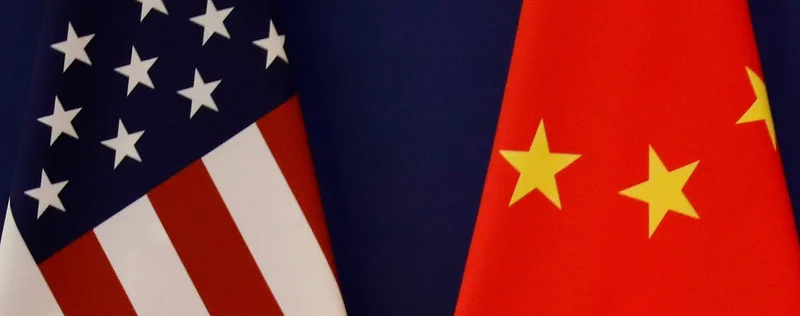
The beauty of this approach – and this is where it gets exciting – is that it creates a framework for direct dialogue and negotiation. Instead of shouting at each other from across the Pacific, the US and China can sit down at the table and hammer out solutions to the problems that affect us all, from climate change to economic stability. And that, my friends, is a game-changer.
Of course, there are risks. A softening on China could alienate allies who have been standing shoulder-to-shoulder with the US in pushing back against Chinese aggression. How Trump’s ‘G-2’ framing for US-China relations could impact allies And there’s always the danger that Trump's "bonhomie" with Xi could sour, just like it did with Putin. But I believe the potential rewards – a more stable, cooperative world – are worth the risk.
The recent deal to ease rare-earth controls, even with the discrepancies in details, is a small but significant step in the right direction. It shows that even in areas of intense competition, cooperation is possible. The article "China-US deal to ease rare-earth controls hits snag over scope" highlights the challenges, but the fact that the deal even exists is a win.
What does this mean for us? It means a future where the US and China are not locked in a zero-sum game, but are working together to build a better world for everyone. It means new opportunities for innovation, collaboration, and economic growth. And it means a future where our children can inherit a planet that is both prosperous and sustainable.